


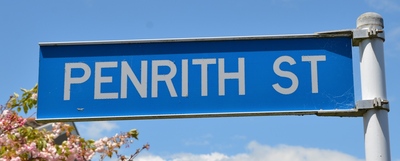
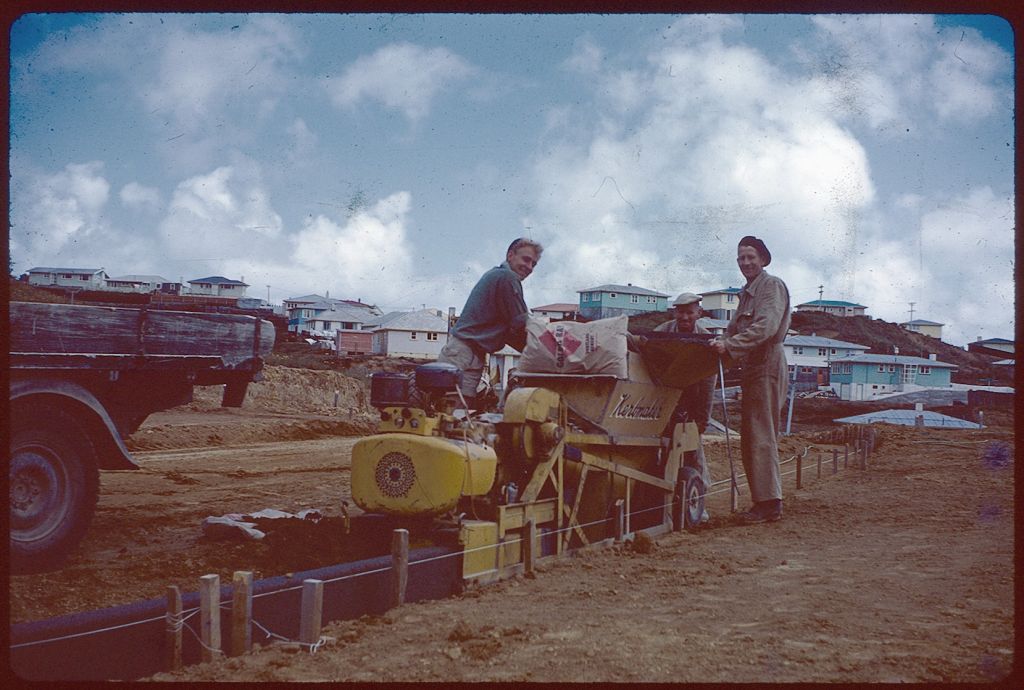
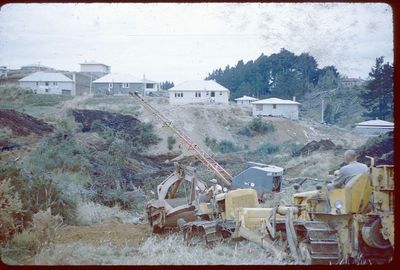
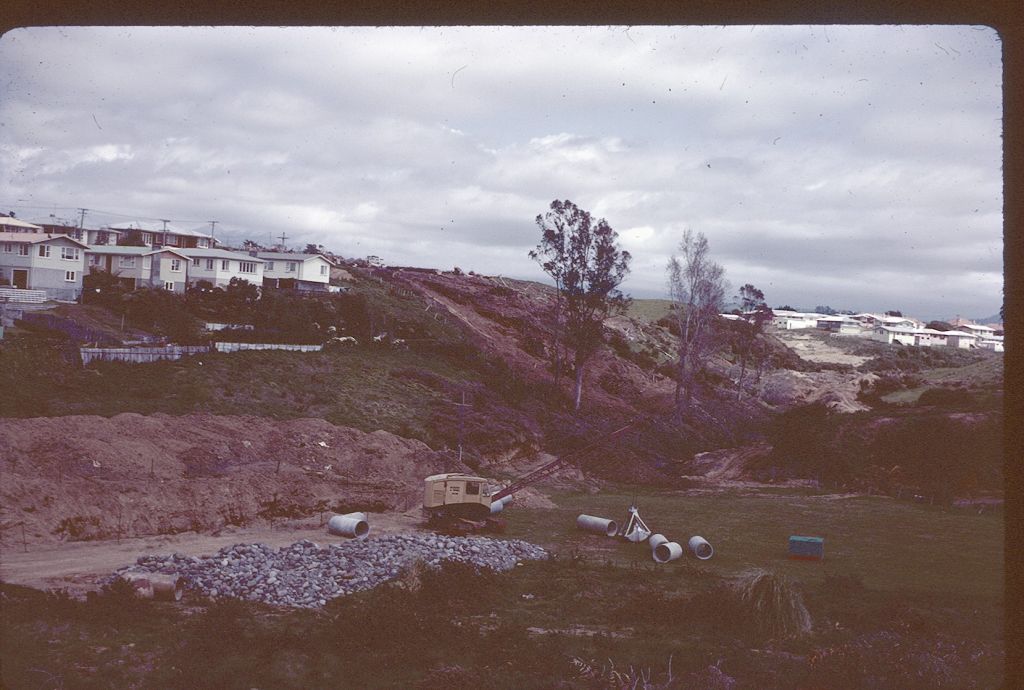
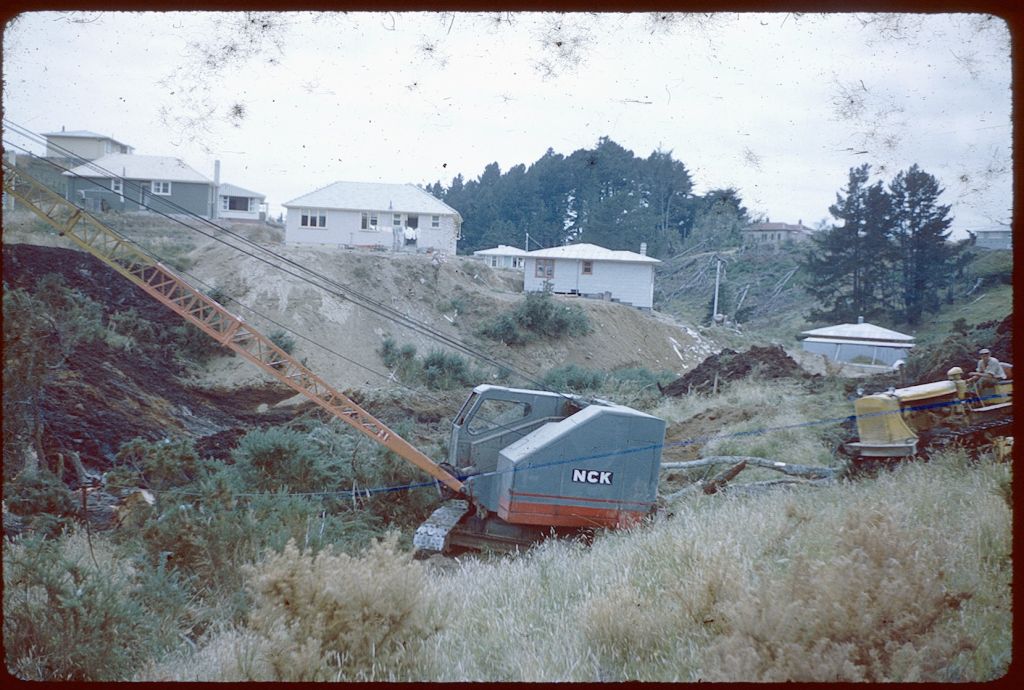
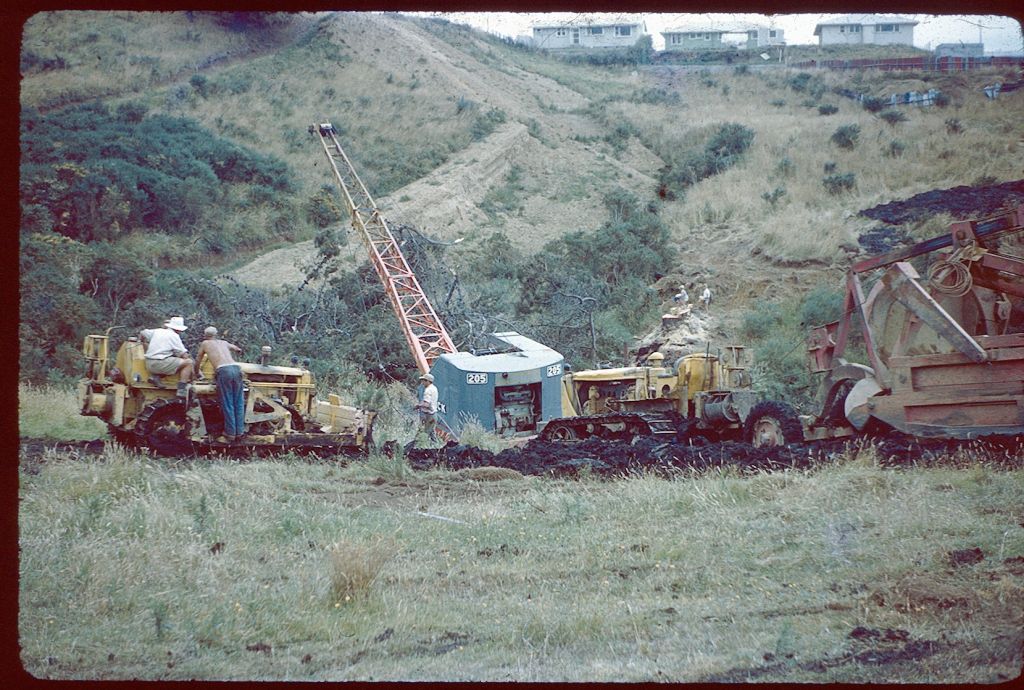
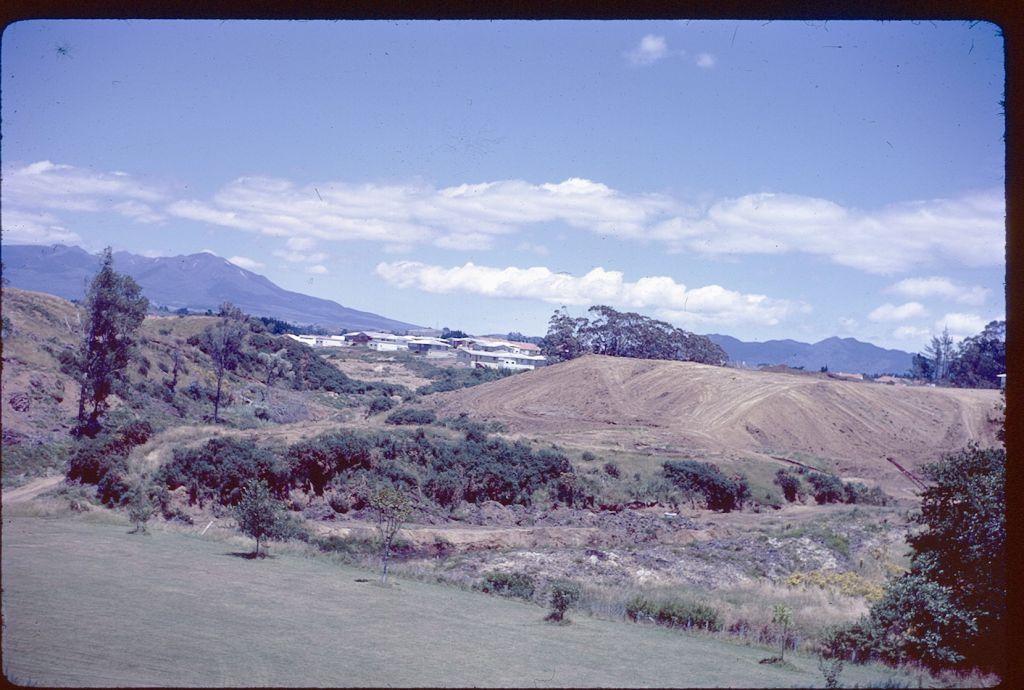
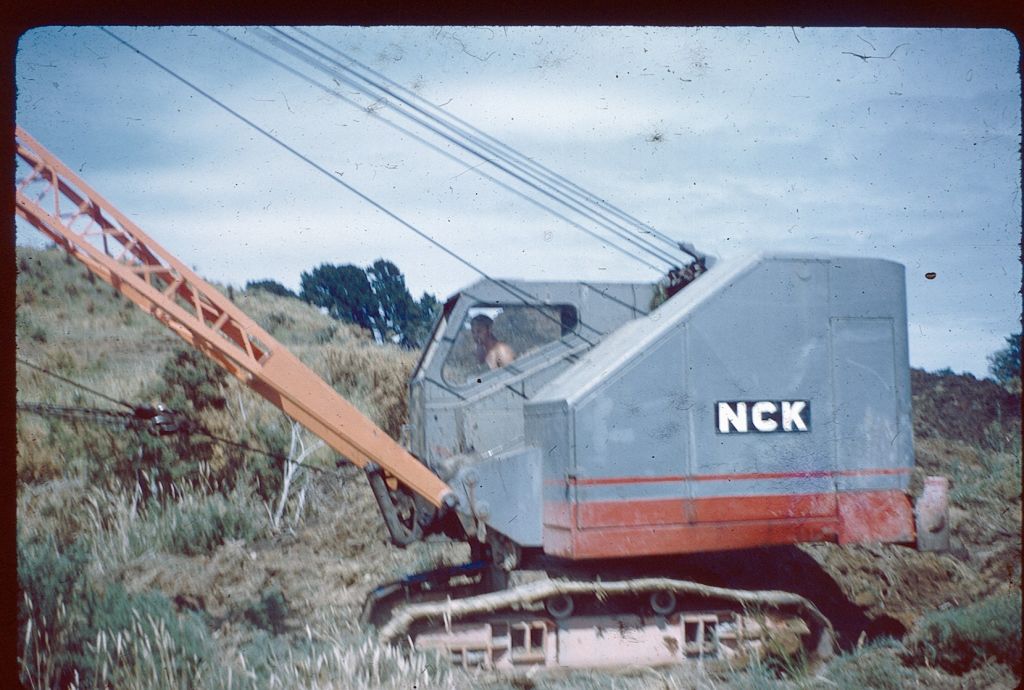
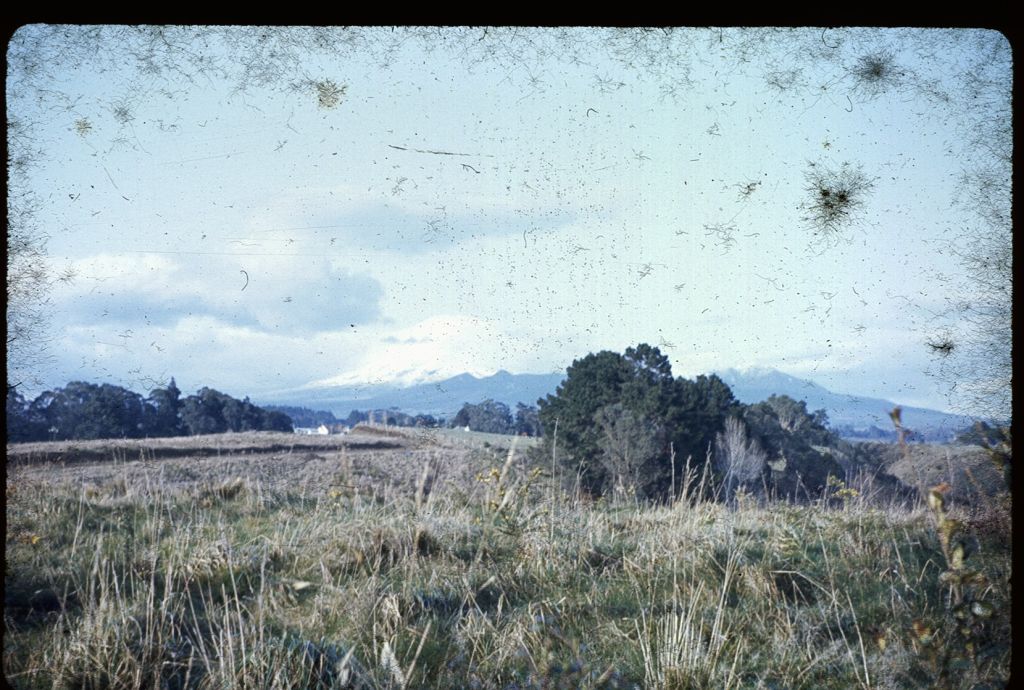
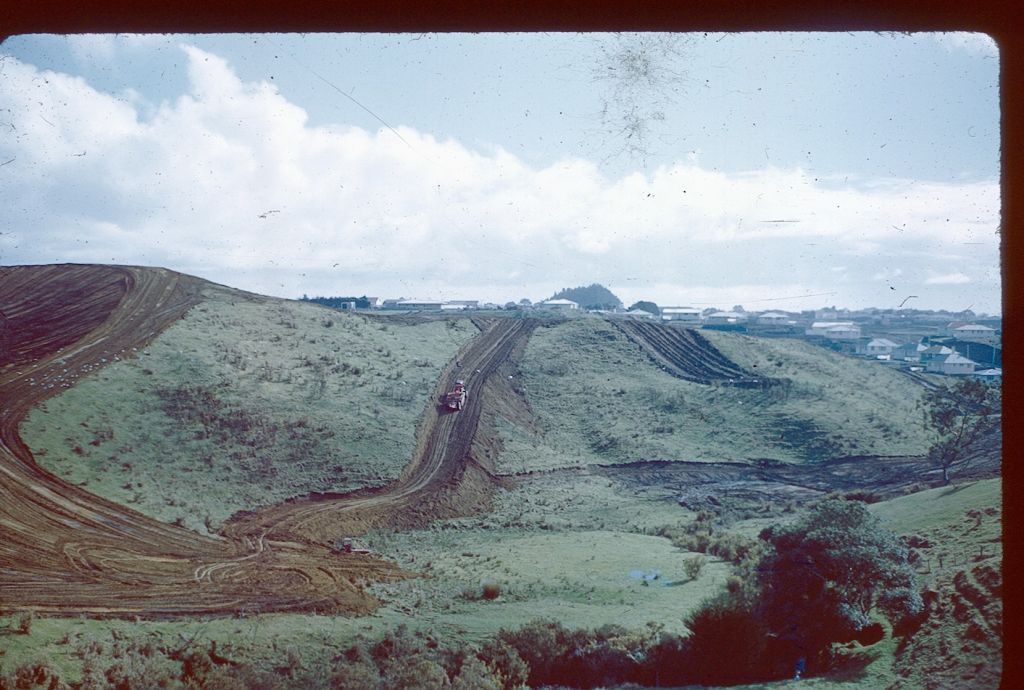
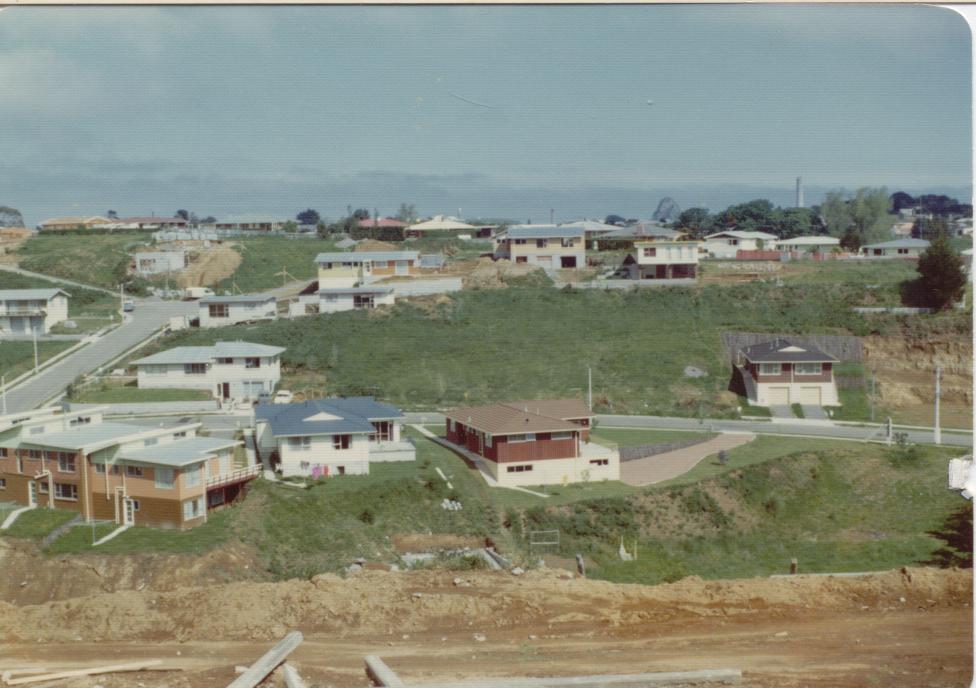
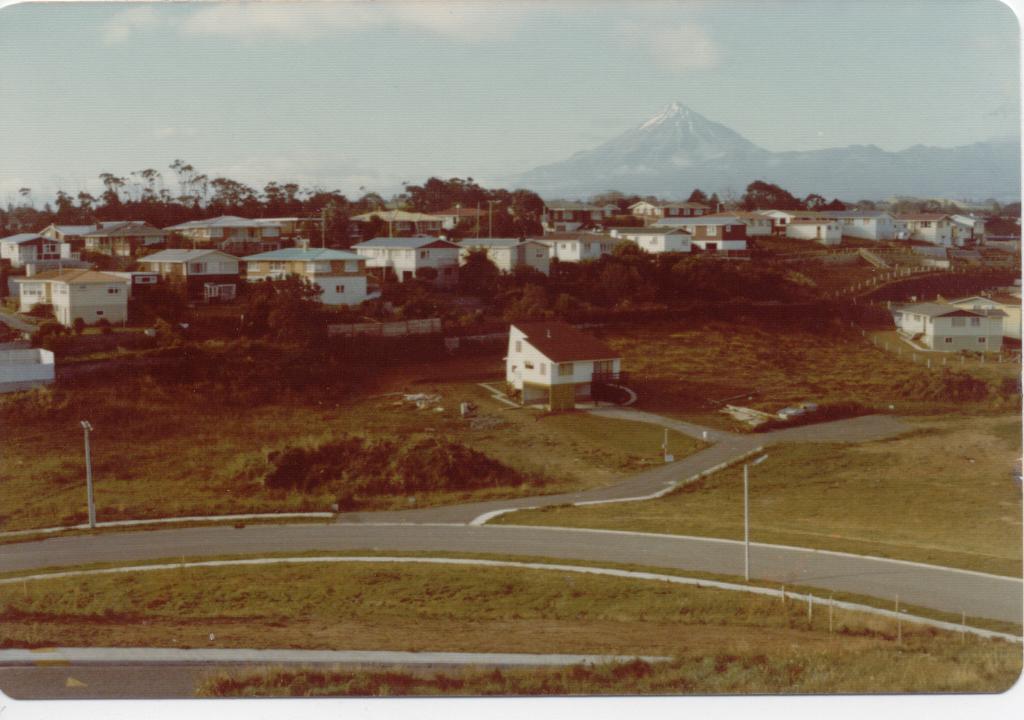
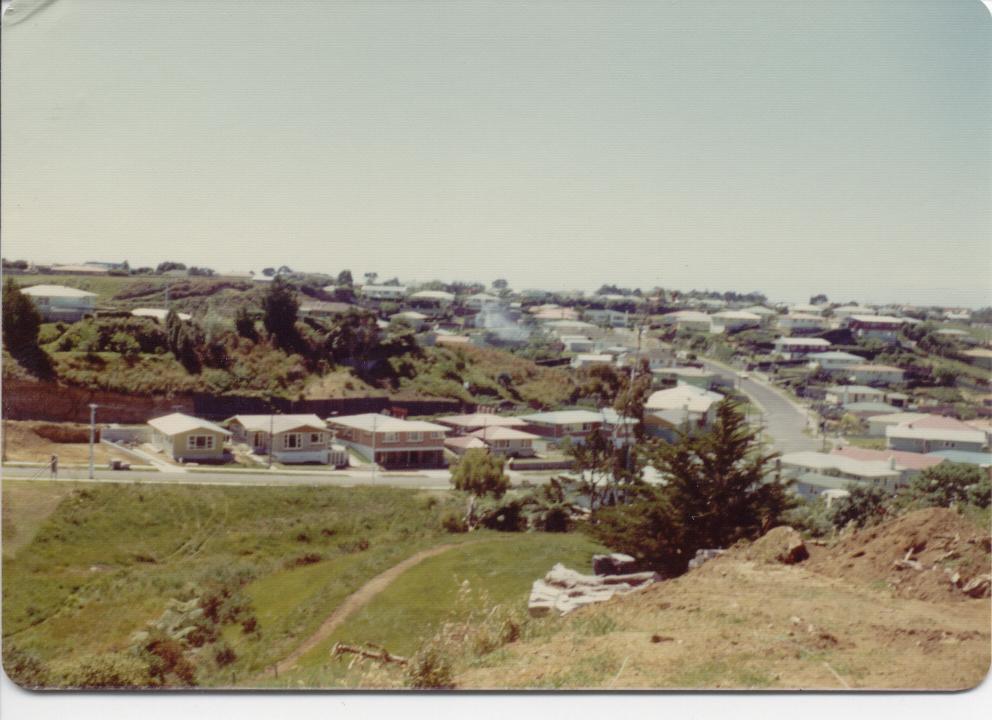
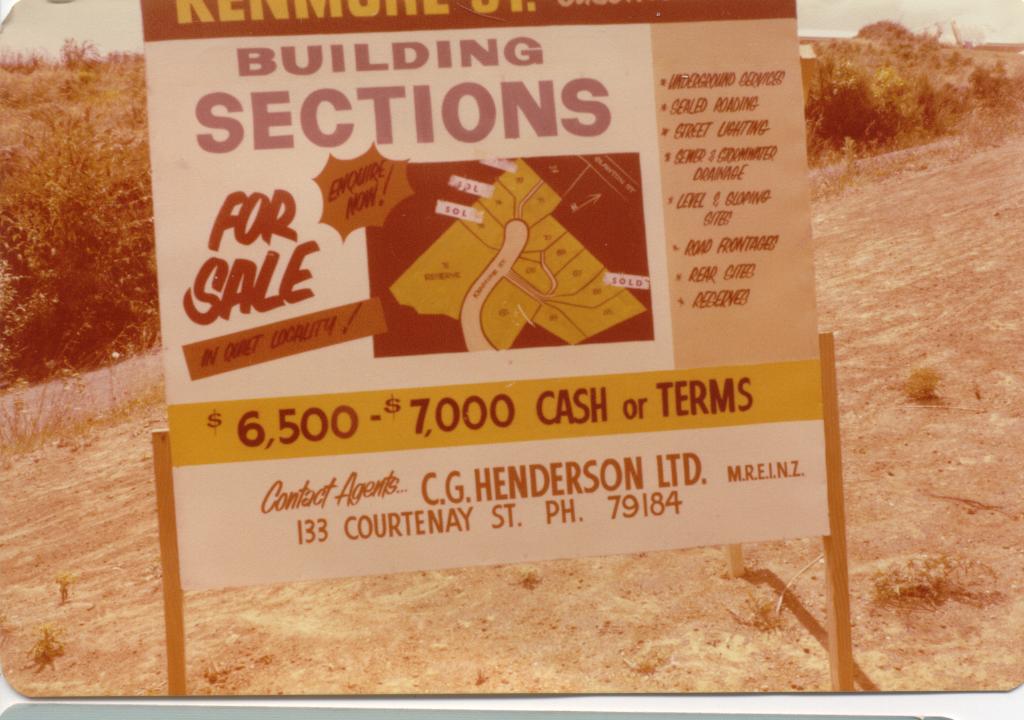
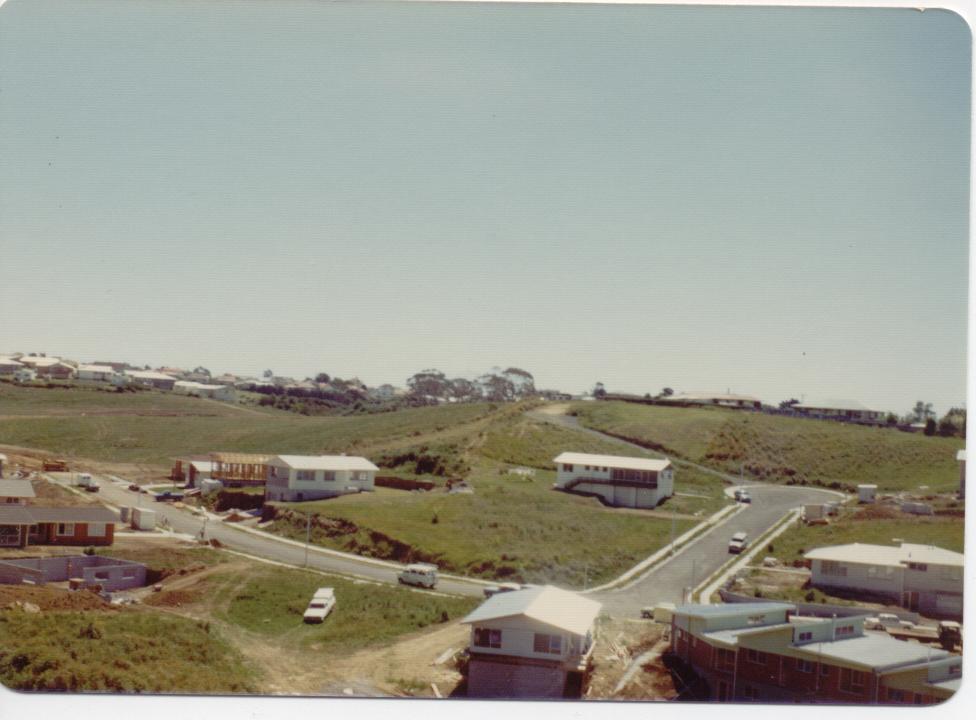
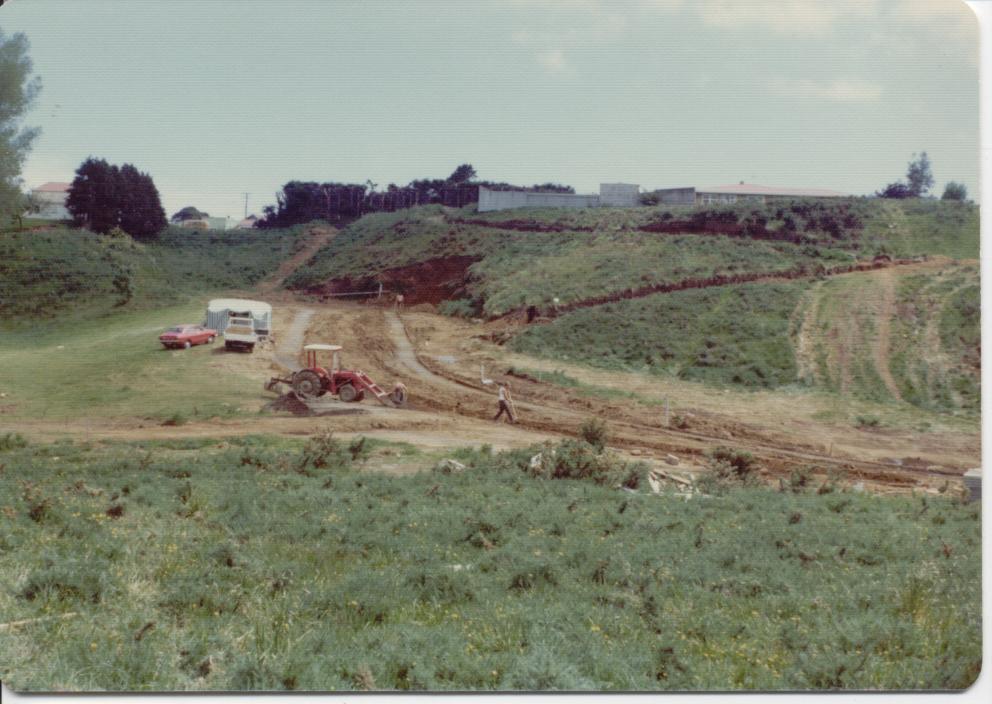
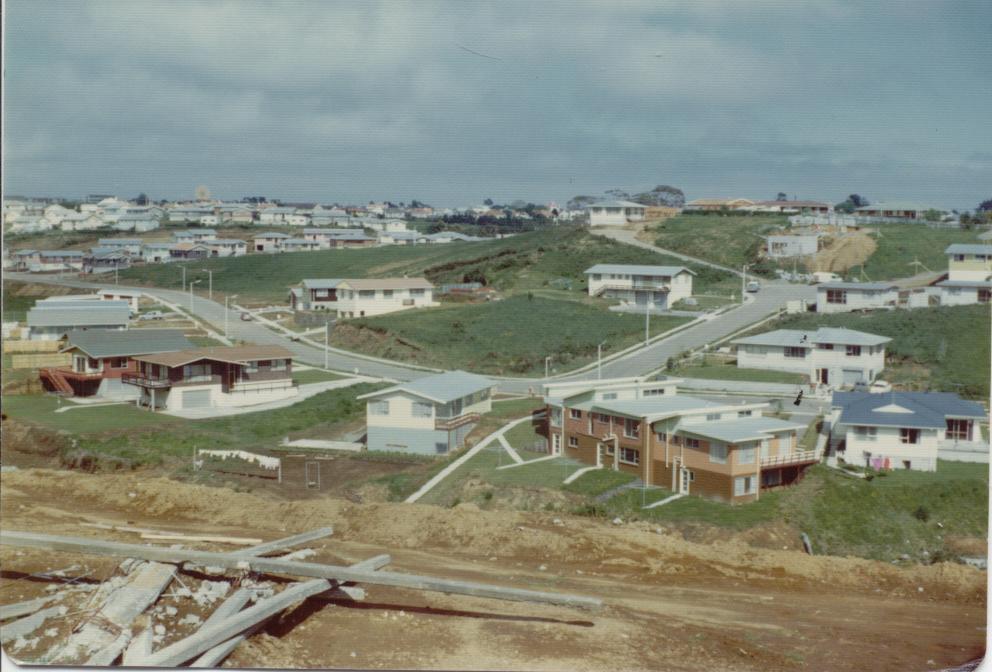
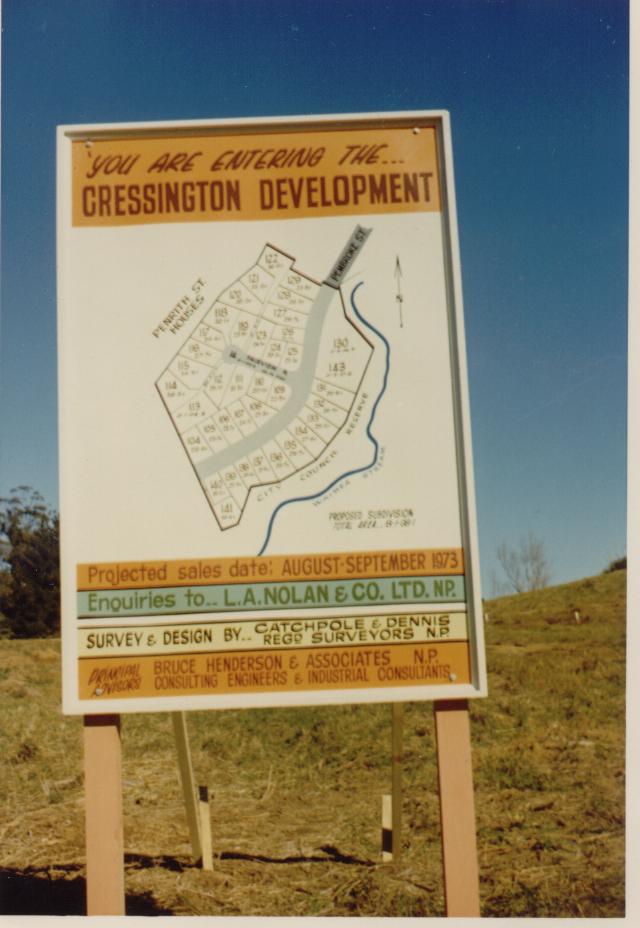
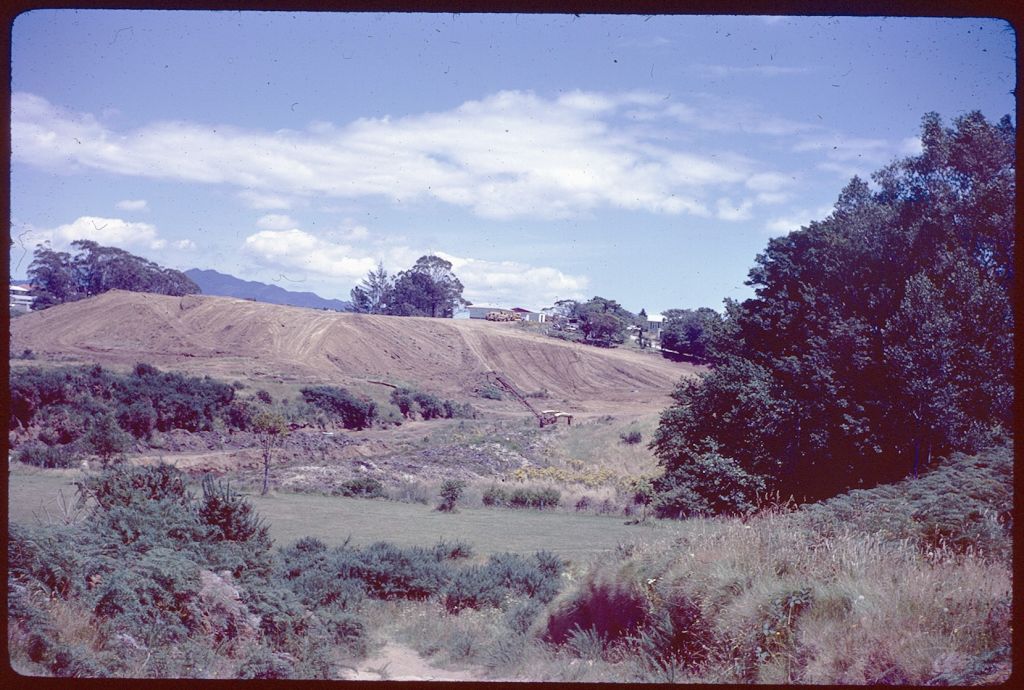
Penrith Street is located between Clawton Street and the Waimea stream in Westown, an area subdivided by Mr C.W.H. Frank in the late 1950s. As is common, it was the developer who recommended the street names to the New Plymouth City Council.
Mr Frank and his wife Winifred had three children, two daughters and a son. The name Penrith was chosen as it is said their son Kenneth had a connection with Penrith in Australia. What exactly this link was, we have been unable to discover. It may simply be that their son had moved to Australia and lived in Penrith.
Penrith lies at the foot of the Blue Mountains, 50 kilometres west of Sydney. It in turn is named after the market town of Penrith in Cumbria, England. The name is Cumbric, the language spoken in this area until about the 11thcentury. It most likely means "red hill", although an alternative opinion is that it comes from the word for "chief ford".
Penrith in New South Wales was first settled by Europeans in 1818. By the 1950s the growth of population in western Sydney necessitated the creation of the first satellite city in Australia. In one of Australia's largest town planning achievements, Penrith City was established; it comprised the towns of Penrith and St. Marys as well as a number of smaller settlements.
However, it is undoubtedly best known in New Zealand as the home of the National Rugby League team, the Penrith Panthers.
This story was originally published in the Taranaki Daily News.
Please do not reproduce these images without permission from Puke Ariki.
Contact us for more information or you can order images online here.
The information on this website is provided for general research and reference only. While we try to keep content accurate and current, we make no guarantees about its completeness or correctness. It should not be considered a replacement for a LIM or a Property Report. Some content is supplied by third parties. Puke Ariki has not verified this content and users should check its accuracy before relying on it.The inclusion of a building on the website does not imply heritage status. See SCHED1 in the NPDC District Plan for a list of buildings that have rules about what can happen to or around them (administered by NPDC). See the New Zealand Heritage List for a list of buildings that are celebrated for their heritage significance but are not subject to rules (administered by Heritage New Zealand Pouhere Taonga). Should any corrections need to be made to the records or for more information please contact us.
Click to view locations on our interactive map:


